
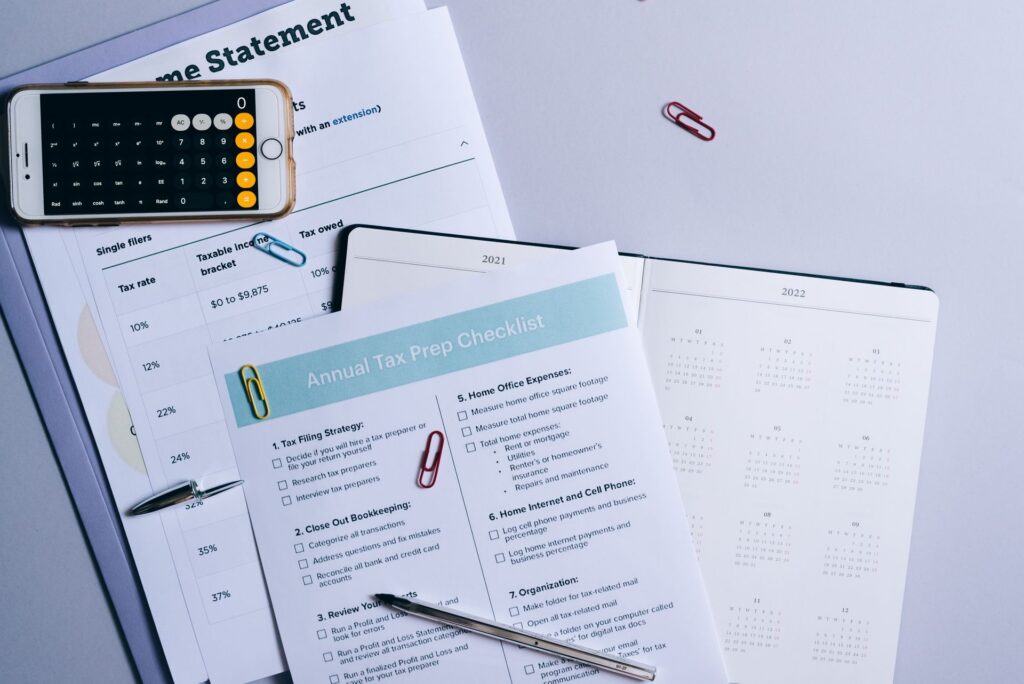
With 2026 coming to an end, now is a good time to take a closer look at your finances and make sure you’re not missing opportunities to save on taxes. Many people wait until January or February to start thinking about their tax returns, but some of the most important decisions need to be made before December 31. Taking a little time to review your situation now could make a noticeable difference when it’s time to file your taxes in 2027.
One of the easiest places to start is by reviewing how much federal income tax has been withheld from your paychecks throughout the year. If you’ve changed jobs, received a raise, started a side business, or experienced a major life change, your withholding might not reflect your current financial situation. The IRS provides a free Tax Withholding Estimator that can help you determine whether you’re on track. Making adjustments before the end of the year could help reduce an unexpected tax bill when you file.
Retirement contributions are another area worth reviewing. If you have a 401(k) through your employer, you may still have time to increase your contributions for the remaining pay periods of 2026. Traditional 401(k) contributions generally reduce your taxable income for the year, while also helping you save for retirement. Traditional IRA contributions may also provide a deduction depending on your income and retirement plan coverage. Unlike most 401(k) contributions, eligible IRA contributions for the 2026 tax year can generally be made until the April 2027 tax filing deadline.
There are also several newer tax deductions that taxpayers should be aware of this year. Changes to federal tax law have introduced deductions for certain qualified tips, overtime compensation, and interest paid on loans for qualifying new vehicles. There is also an additional deduction available to eligible taxpayers age 65 and older. Each of these deductions comes with specific income limits and eligibility requirements, so it’s important to understand whether you qualify rather than assuming the entire amount is automatically deductible.
Charitable donations are worth considering before the year ends as well. Beginning with the 2026 tax year, eligible taxpayers who take the standard deduction can deduct up to $1,000 in qualifying cash contributions to certain charitable organizations, or up to $2,000 for married couples filing jointly. This is a change from previous years and creates an opportunity for taxpayers who don’t itemize their deductions. Be sure to keep receipts or other appropriate records of your donations, and remember that not every organization or type of contribution qualifies.
If you’re self-employed or own a small business, this is an especially important time to review your expenses. Office supplies, business equipment, software subscriptions, advertising, professional services, and other ordinary and necessary business expenses may be deductible. However, purchasing something simply to get a tax deduction doesn’t necessarily make financial sense. A deduction generally reduces the amount of income subject to tax rather than reimbursing you for the entire purchase. It’s also important to distinguish between expenses that can be deducted immediately and purchases that may need to be depreciated over time.
Business owners should also take a few minutes to make sure their financial records are organized. Review your invoices, receipts, mileage records, bank statements, and business purchases to make sure everything has been properly documented. If you use your personal vehicle for business purposes, accurate mileage records can be particularly valuable. Waiting until tax season to reconstruct an entire year’s worth of expenses often leads to unnecessary stress and potentially missed deductions.
Another issue that frequently catches taxpayers by surprise is estimated tax payments. If you receive income that isn’t subject to regular withholding, such as freelance income, rental income, or earnings from a business, you may be required to make estimated payments throughout the year. The final federal estimated tax payment for the 2026 tax year is generally due January 15, 2027. Reviewing your income and payments now can help you determine whether an additional payment is needed and whether you may be at risk of an underpayment penalty.
It’s also worth thinking about any major financial changes you’ve experienced during 2026. Getting married or divorced, buying or selling a home, welcoming a child, starting a business, or selling investments can all affect your tax return. Even changes that seem relatively minor can sometimes influence which deductions and credits you’re eligible to claim. Understanding those changes ahead of time gives you more opportunities to plan instead of simply reacting when your return is prepared.
The biggest mistake many taxpayers make is assuming that tax planning begins when tax season arrives. By that point, the calendar year has already closed, and many opportunities to reduce your tax liability are no longer available. While certain retirement contributions and other tax-related actions can still be completed after December 31, many decisions must be made before the year ends.
At McGee Tax Service, we believe that good tax preparation starts with good planning. Whether you’re an employee, self-employed, retired, or running your own business, reviewing your financial situation before the end of 2026 can help you make informed decisions and avoid unnecessary surprises. If you’re unsure which deductions apply to you or what steps you should take before December 31, contact McGee Tax Service to discuss your tax situation and get a head start on the upcoming filing season.